
Central oxygen support for admitted patients and critical care requirements.
Sunshine Hospital
Specialist care for lungs, allergy, general surgery, laparoscopic surgery, endoscopy and emergency support in Patan.
15
Hospital Beds
2
Bedded ICU
2
Operation Theatres
24x7
Support Facilities
Mediclaim and Health Insurance Services Available
Patients can contact reception for health insurance, Mediclaim documentation and admission-related assistance.
Hospital Facilities
Sunshine Hospital is equipped for focused medical, surgical and procedural care with patient-friendly infrastructure.
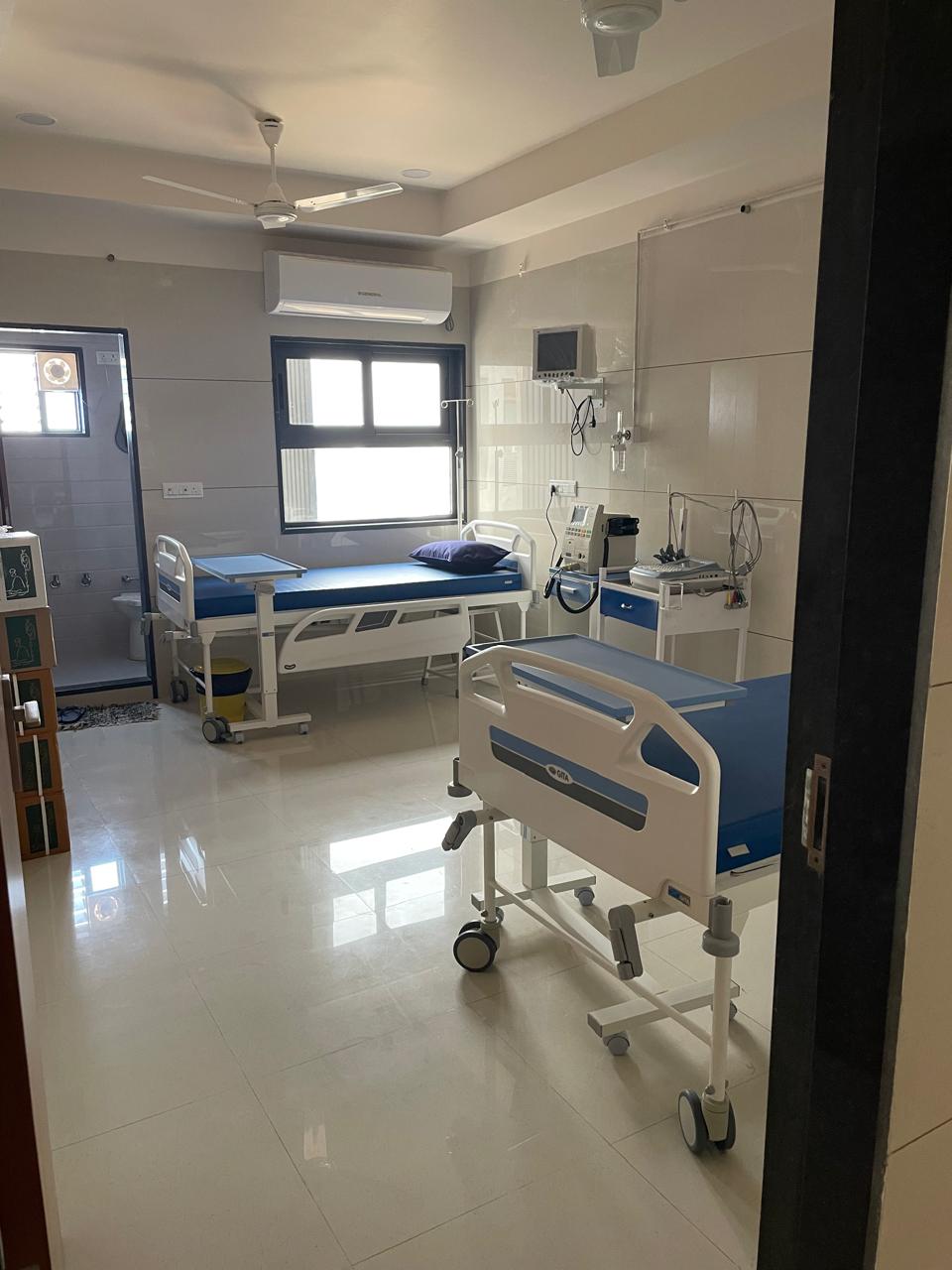
Two-bedded ICU with monitoring and essential emergency support.
Convenient hospital pharmacy for prescribed medicines and patient needs.
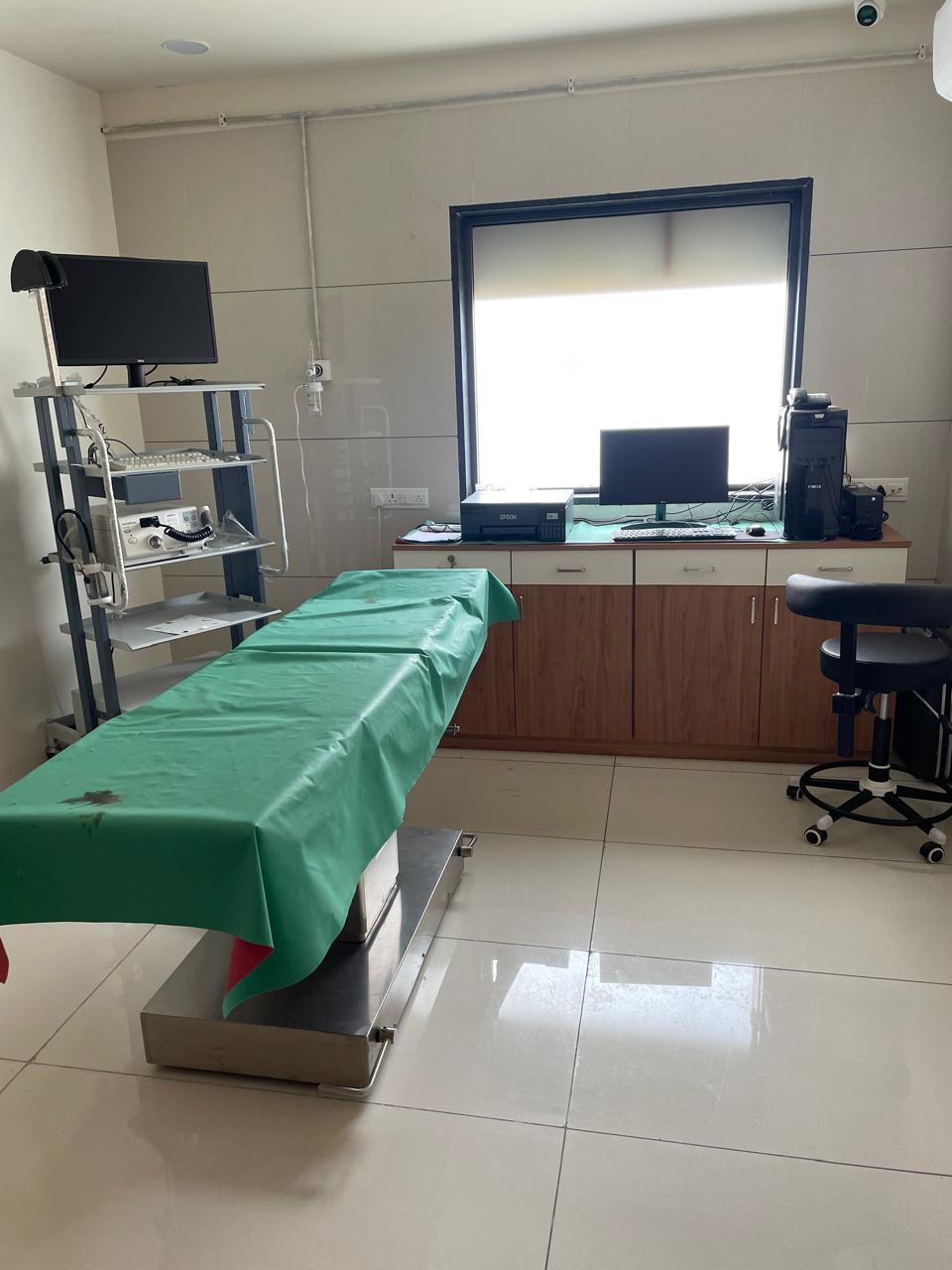
Dedicated operation theatre setup for general and laparoscopic surgical procedures.
Endoscopy room for diagnostic and therapeutic gastrointestinal procedures.
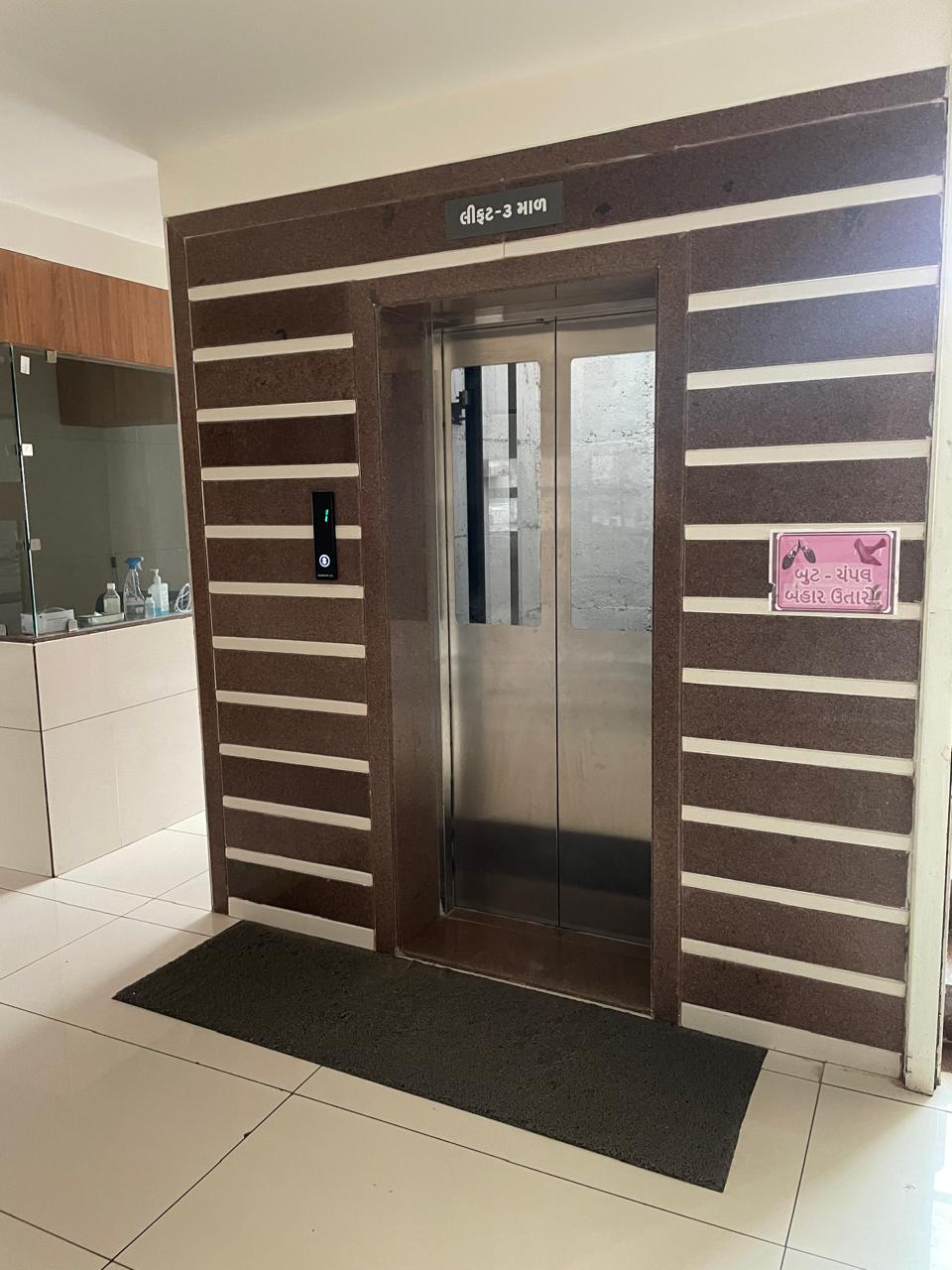
Lift facility for easy access to the hospital on the third floor.
Dr Shreeya Rajdeep
Interventional Pulmonologist & Allergy SpecialistDr Girish Bochiya
General & Laparoscopic SurgeonDoctors
Experienced full-time consultants providing advanced care in respiratory medicine, allergy, surgery, laparoscopic procedures, and endoscopy services.
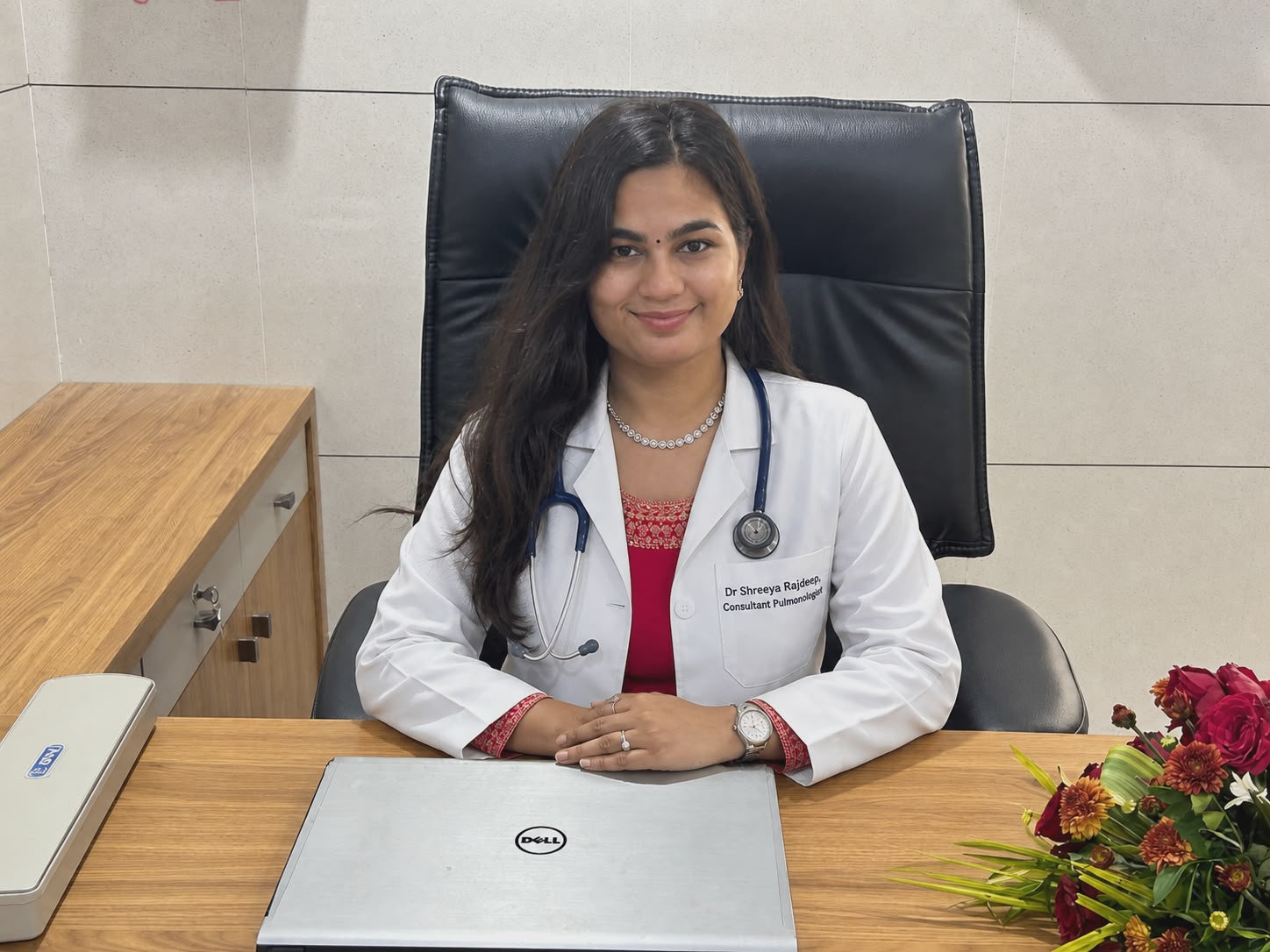
Dr Shreeya Rajdeep
Interventional Pulmonologist & Allergy SpecialistDr Shreeya Rajdeep provides specialist care for respiratory diseases, allergy evaluation, immunotherapy and interventional pulmonology services.
- MBBS from M.S. University, Baroda.
- MD Pulmonary Medicine from SMIMER Hospital, Surat under VNSG University.
- Completed Senior Residency at Nootan Medical College & Research Centre, Visnagar.
- Fellowship in Allergy and Immunotherapy from Vallabhbhai Patel Chest Institute, Delhi.
- Former Assistant Professor, Respiratory Medicine Department, Ananta Institute of Medical Sciences & Research Center, Udaipur, Rajasthan.
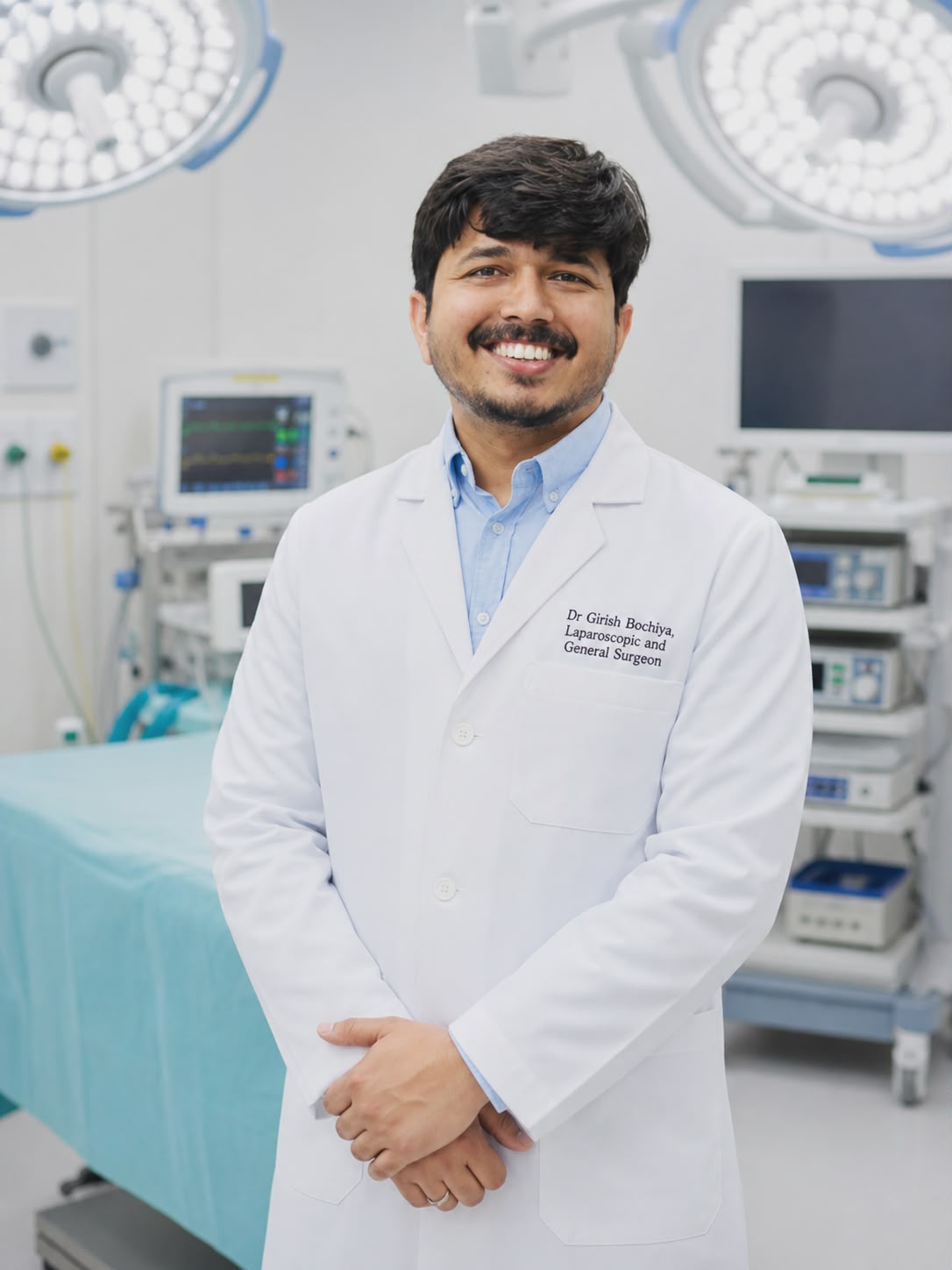
Dr Girish Bochiya
General & Laparoscopic SurgeonDr Girish Bochiya offers general surgical, laparoscopic and endoscopy-related care with experience in academic and clinical surgical practice.
- MBBS from Adani Medical College, Bhuj under KSKV University, Bhuj.
- Master of Surgery from SMIMER, Surat under VNSG University.
- Senior Residency at SMIMER, Surat.
- Experience at GMERS, Valsad.
- Former Assistant Professor at GMERS, Patan.
- Fellowship of FMAS from The Association of Minimal Access Surgeons of India, held at Hyderabad.
Blogs
Patient education topics that can later be expanded into full blog pages on Hostinger.
When should a persistent cough be evaluated?
Read MoreA persistent cough (cough lasting more than 3 weeks) is not a minor issue. It is a clinical signal that requires proper evaluation. Time-based understanding is important. Acute cough lasts less than 3 weeks and is usually viral. Subacute cough lasts 3 to 8 weeks and is often post-infectious. Chronic cough lasts more than 8 weeks and always needs full evaluation. Immediate evaluation is required if warning signs are present. These include coughing blood, breathlessness, weight loss, persistent fever, chest pain, voice change, recurrent infections, smoking history, or immunocompromised state. These may indicate tuberculosis, lung cancer, interstitial lung disease, or pulmonary embolism. Common causes of chronic cough must be approached systematically. Upper airway cough syndrome due to rhinitis or sinusitis causes throat irritation and post-nasal drip. Asthma, especially cough-variant asthma, presents with dry cough worse at night. Gastroesophageal reflux disease causes cough due to acid irritation and microaspiration. Chronic bronchitis is seen in smokers with long-term productive cough. Tuberculosis remains a major cause in India and must never be missed. Certain drugs like ACE inhibitors can also cause persistent cough. Evaluation should follow a structured clinical approach. Start with detailed history including duration, type of cough, triggers, and drug use. Physical examination should focus on wheeze, crackles, and ENT findings. Basic tests include chest X-ray and blood tests. Further tests like spirometry, HRCT, or sputum examination should be done based on suspicion. Do not treat cough blindly. Always treat the underlying cause. Repeated antibiotics without diagnosis is a common mistake. Ignoring tuberculosis in endemic regions leads to serious consequences. A cough beyond 3 weeks is a diagnostic problem, not just a symptom. Early evaluation prevents delayed diagnosis of serious diseases. Delay = missed diagnosis.
Allergy testing and immunotherapy
Read MoreAllergies affect millions of people worldwide, causing symptoms that range from mild irritation to severe reactions. Modern management depends on two pillars: accurate diagnosis through allergy testing and long-term control with immunotherapy. An allergy occurs when the immune system overreacts to harmless substances such as pollen, dust mites, food, or pet dander. This involves Immunoglobulin E (IgE), which triggers inflammation leading to sneezing, itching, rashes, or breathing difficulty. Common conditions include allergic rhinitis, asthma, food allergy, and atopic dermatitis. Allergy testing identifies the exact trigger. Skin prick test is the gold standard. A small amount of allergen is introduced into the skin and results are seen within 15–20 minutes. It is fast, cost-effective, and highly sensitive. Blood tests measure IgE levels and are useful when skin testing cannot be done or in severe allergy cases. Patch testing is used for contact dermatitis and delayed skin reactions. Immunotherapy targets the root cause. Instead of suppressing symptoms, it trains the immune system to tolerate allergens. Small controlled doses are given over time, reducing sensitivity. Two main types are used. Subcutaneous immunotherapy involves injections given in a clinical setting over months to years. Sublingual immunotherapy uses tablets or drops under the tongue and can be continued at home after supervision. Benefits include long-term symptom reduction, decreased medication need, prevention of new allergies, and improved quality of life. Risks are minimal but include local reactions and rarely severe reactions like anaphylaxis. Proper medical supervision is mandatory. This approach is suitable for patients with persistent symptoms, poor response to medication, or those seeking long-term disease modification. Allergy testing identifies the trigger. Immunotherapy changes the disease course. Together, they provide structured, long-term control instead of temporary relief.
Benefits of laparoscopic surgery
Read MoreModern medicine has transformed surgical practice with laparoscopic surgery (keyhole surgery). It uses small incisions and a camera (laparoscope) to operate with precision. In this technique, a thin tube with a camera is inserted through a small incision, allowing internal visualization on a monitor. It is commonly used for gallbladder removal, hernia repair, appendicectomy, and gynecological procedures. Key advantages are clear. Smaller incisions lead to minimal scarring and less tissue damage. Recovery is faster, with many patients resuming routine activity within days. Pain is significantly lower, reducing the need for strong analgesics. Risk of infection is reduced due to smaller wounds. Hospital stay is shorter, often day-care or within 24 hours. Blood loss is minimal, improving safety. Cosmetic outcome is superior due to small scars. Magnified camera view improves surgical precision. Common conditions treated include gallstones, appendicitis, hernia, and ovarian cyst. Risks exist but are lower than open surgery. These include minor bleeding, infection, and rare anesthesia-related complications. Laparoscopic surgery provides faster recovery, lower morbidity, and better outcomes. Suitability depends on patient condition and must be decided by a qualified surgeon.
Gallery
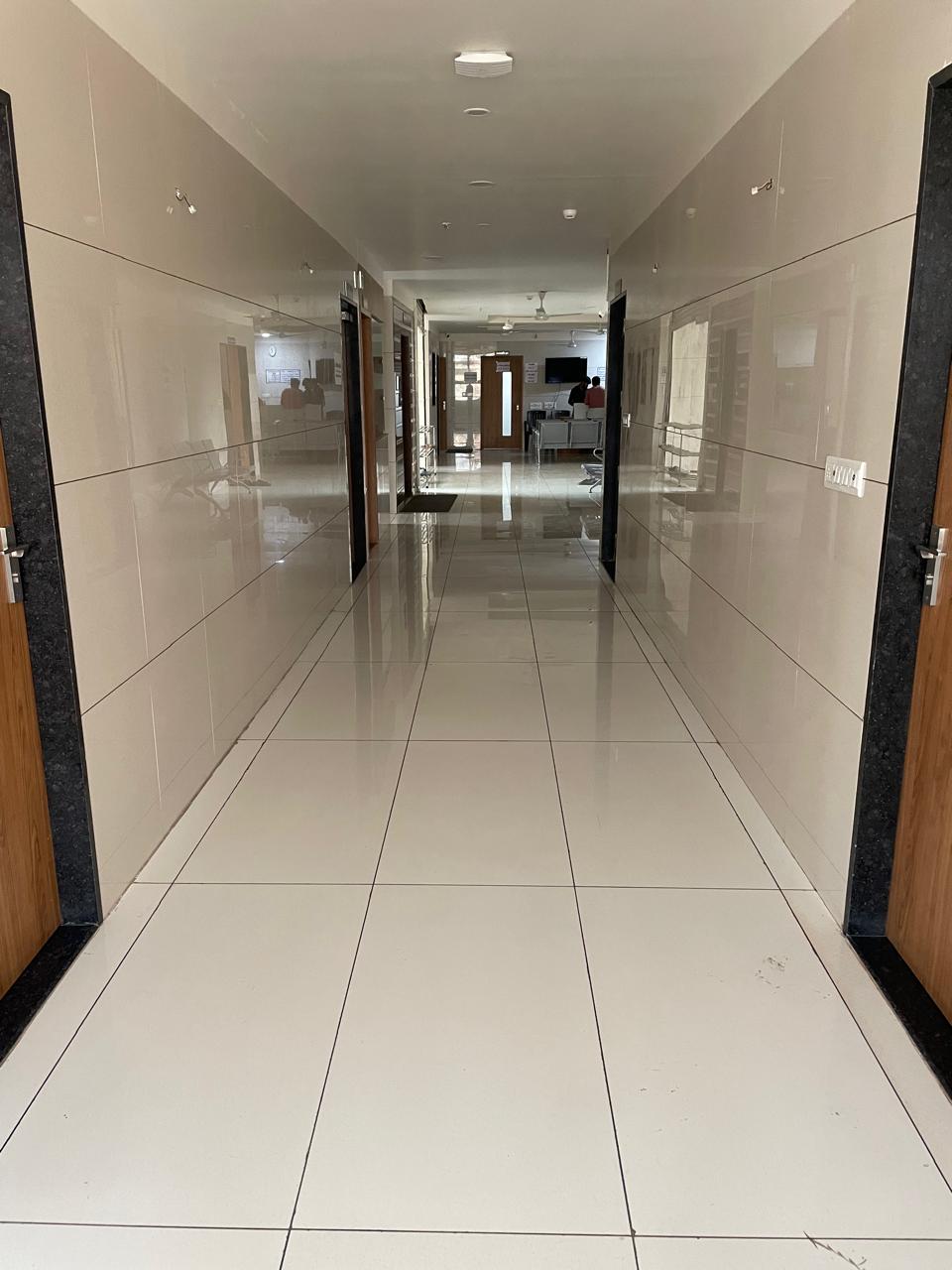
A visual walkthrough of Sunshine Hospital showcasing OPD rooms, ICU setup, modern facilities, lift access, lobby, and endoscopy suite.
Contacts
Contact us for appointments, admission assistance, Ayushman Bharat PM-JAY support, and easy navigation to the hospital.
Sunshine Hospital
Address
3rd Floor, Opposite Santokba Hall, Behind V K Bhula Highschool, Near Chandan Petrol Pump, Rajmahel Road, Patan, Gujarat 384265.
Phone
97141 42010
WhatsApp
97141 42010
Empanelment
Ayushman Bharat Pradhan Mantri Jan Arogya Yojana